

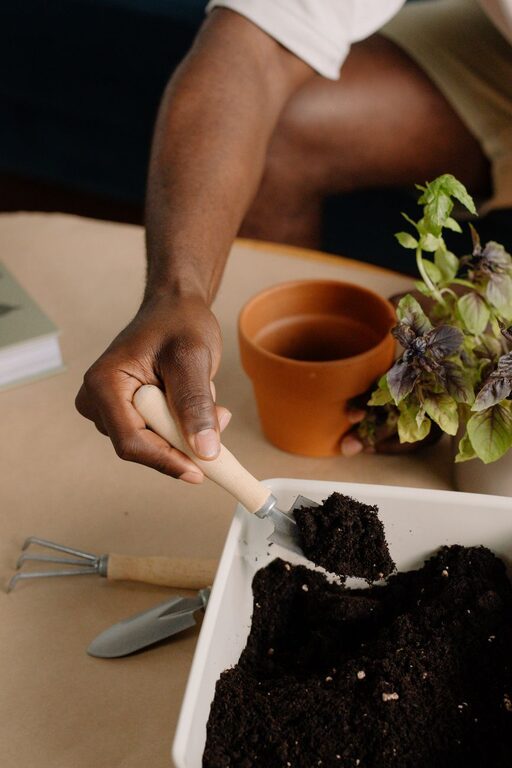
Starting a small herb garden indoors is a rewarding way to bring fresh flavors into your kitchen and add a touch of greenery to your living space. Whether you have a sunny windowsill or a small corner ready for some plant life, growing herbs inside is manageable and enjoyable for beginners. This guide will walk you through the essentials of beginning your own indoor herb garden — from choosing the right herbs to caring for them daily.
Why Grow Herbs Indoors?
Growing herbs indoors offers several benefits:
– Year-round freshness: No matter the season, you’ll have fresh herbs for cooking.
– Convenience: Fresh herbs are just a step away from your kitchen.
– Space-saving: Perfect for apartments or homes without outdoor gardens.
– Air quality: Indoor plants can improve air quality and add natural decor.
With a bit of planning and care, you can create a thriving herb garden inside your home.
Choosing the Right Herbs for Indoor Growth
Some herbs are easier to grow indoors than others. To start, consider herbs that thrive in containers and moderate light conditions:
– Basil: Great for warm, sunny spots with about 6 hours of sunlight.
– Parsley: Tolerant of less light but grows better with some sunshine.
– Mint: Easy to grow and tends to spread, so pot it separately.
– Chives: Require bright light and well-draining soil.
– Thyme: Needs bright light and prefers a drier environment.
– Cilantro: Likes cooler temperatures and partial light.
When selecting herbs, think about what you use most in your cooking and local climate conditions affecting light and humidity indoors.
Supplies You’ll Need
Before planting, gather these basic supplies:
– Containers: Small pots with drainage holes or recycled containers.
– Potting soil: Choose a lightweight, well-draining mix suitable for herbs.
– Seeds or starter plants: Decide if you want to begin with seeds or young plants from a nursery.
– Labels: To keep track of your herbs.
– A watering can: With a fine spout for gentle watering.
– Grow lights (optional): Helpful if your space lacks natural sunlight.
Step-by-Step Guide to Starting Your Indoor Herb Garden
1. Select Your Containers
Choose containers that are about 4 to 6 inches deep with drainage holes. Proper drainage prevents waterlogging, which can harm herb roots.
2. Fill with Potting Mix
Fill your containers with potting soil, leaving about half an inch from the top to prevent soil from spilling out during watering.
3. Plant Seeds or Starter Herbs
– For seeds: Follow packet instructions on planting depth and spacing. Generally, cover seeds lightly with soil.
– For starter herbs: Gently loosen roots from the nursery container and plant them at the same depth they were growing before.
4. Water Gently
Water the soil until it’s moist but not soggy. Keep the soil consistently moist during germination or the initial growth phase.
5. Place in a Sunny Spot
Most herbs need at least 4-6 hours of sunlight daily. A south-facing window is ideal. If natural light is limited, consider using grow lights to supplement.
6. Maintain Regular Care
– Watering: Check soil moisture regularly; water when the top inch feels dry.
– Fertilizing: Use a mild, balanced liquid fertilizer every 4-6 weeks.
– Pruning: Harvest leaves regularly to encourage bushier growth.
– Pest control: Inspect leaves for pests like aphids or spider mites. Use natural remedies or remove affected leaves.
Tips for Success
– Rotate pots every few days to ensure even sunlight exposure.
– Avoid overwatering; herbs prefer slightly drier soil between watering.
– Use clean scissors to harvest herbs to avoid damaging the plants.
– Group herbs with similar light and water needs together.
Common Challenges and Solutions
Lack of Light
If you notice leggy or pale plants, they may not be getting enough light. Try moving them closer to a window or add a grow light.
Overwatering
Symptoms include yellowing leaves and soggy soil. Allow the soil to dry out slightly before watering again and ensure pots have good drainage.
Pests
Small insects can sometimes appear. Wipe leaves with a damp cloth or apply a mild insecticidal soap safe for edible plants.
Harvesting Your Herbs
Harvest herbs regularly by pinching or cutting just above a leaf node. This helps the plant grow bushier and prolongs its productive life. Fresh herbs are best used immediately but can also be dried or frozen for later use.
Final Thoughts
Starting a small herb garden indoors is an easy and enjoyable project that can pay off with fresh ingredients for your meals and a touch of nature in your home. With the right herbs, containers, and a little care, you can create a green oasis right on your windowsill. Happy gardening!