

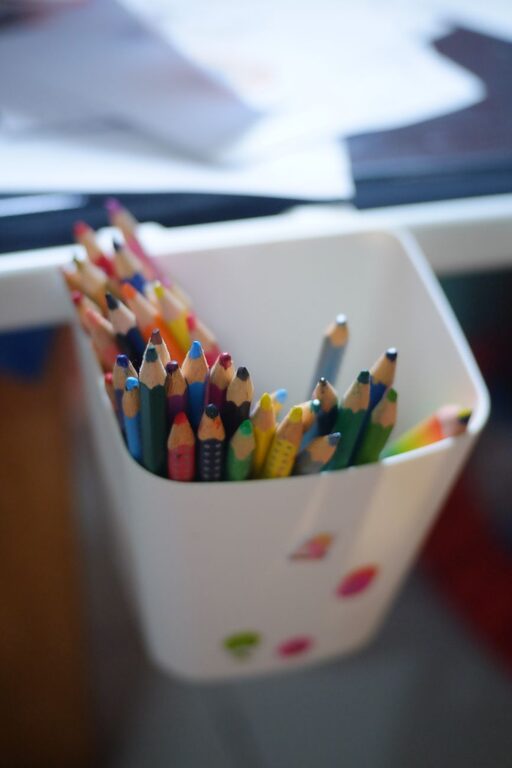
Children’s artwork is a wonderful expression of their creativity and imagination. From colorful drawings to handmade crafts, these masterpieces can quickly pile up, creating clutter and making it hard to keep everything organized. Fortunately, with a few simple strategies, you can keep your kids’ art neat, accessible, and well-preserved. Whether you want to display the latest masterpiece or store older pieces for years to come, these tips will help you maintain a tidy and inspiring environment.
Why Organizing Kids’ Art Matters
Kids’ art isn’t just about the drawings and paintings themselves; it holds sentimental value and reflects their growth and development. Organizing these creations helps:
– Preserve memories for the future
– Reduce clutter in your home
– Encourage your child’s pride in their work
– Make it easier to find and display favorites
1. Create a Dedicated Art Space
Setting up a specific area in your home for art projects can minimize mess and make organizing easier. This space should include:
– Storage bins or drawers for supplies
– A bulletin board or wall space for current artwork
– A table or surface for creating and sorting art
By centralizing art activities and storage, you can keep all materials and finished pieces in one spot.
2. Use Display Frames and Rotating Galleries
Instead of taping or pinning art all over walls, consider using frames or display systems designed for rotating artwork. Options include:
– Magnetic frames that open easily to swap art
– Clipboards mounted on the wall
– Wire and clip systems to hang multiple pieces
Rotate the displayed art regularly to showcase new work while preventing overcrowding.
3. Digital Archiving for Long-Term Storage
As much as you want to keep every piece, physical storage can get overwhelming. Digitizing artwork allows you to:
– Keep a digital gallery without clutter
– Share creations with family and friends easily
– Create photo books or calendars featuring your child’s art
You can scan drawings or take high-quality photos. Apps designed for organizing kids’ artwork can simplify this process.
4. Organize with Portfolios and Binders
For physical storage, portfolios and binders are a great way to keep art safe and accessible:
– Use large artist portfolios for oversized pieces
– Store smaller works in clear plastic sleeves in binders
– Label each portfolio or binder by year or child
This method keeps artwork flat and protected, making it easy to look back on.
5. Repurpose Art into Functional Items
Another creative way to manage the volume of art is to turn pieces into items you can use:
– Laminate drawings to create placemats
– Make greeting cards or gift tags
– Use favorite artwork to decorate notebooks or journals
Repurposing allows you to enjoy the art in everyday life while managing storage space.
6. Establish a Regular Sorting Routine
Set a schedule, perhaps monthly or seasonally, to review and sort your child’s artwork. Use these steps:
- Display new art on the wall or fridge temporarily
- Discuss favorites with your child and decide what to keep
- Digitize or store selected pieces in portfolios
- Recycle or repurpose other artworks responsibly
This routine helps maintain control over the growing collection and involves your child in the process.
7. Label and Date Everything
Labeling artwork with your child’s name, age, and date helps track their progress over time. You can:
– Write on the back of drawings with a pencil
– Use a sticky note or small label
– Include notes about the project or occasion
This information will be valuable when revisiting memories and sharing with family.
8. Encourage Your Child’s Input and Creativity
Make organizing art a fun activity that encourages your child to take pride in their creations:
– Let them choose which pieces to display or keep
– Create a “gallery opening” event to showcase art at home
– Involve them in labeling or crafting projects with older art
By including your child, you foster responsibility and make art organization a shared experience.
Final Thoughts
Keeping kids’ art organized doesn’t have to be overwhelming. By combining dedicated spaces, display ideas, digital archiving, and regular sorting, you can cherish every masterpiece without letting clutter take over. Remember, the goal is to celebrate your child’s creativity in a way that fits your family’s lifestyle and space. Happy organizing!