

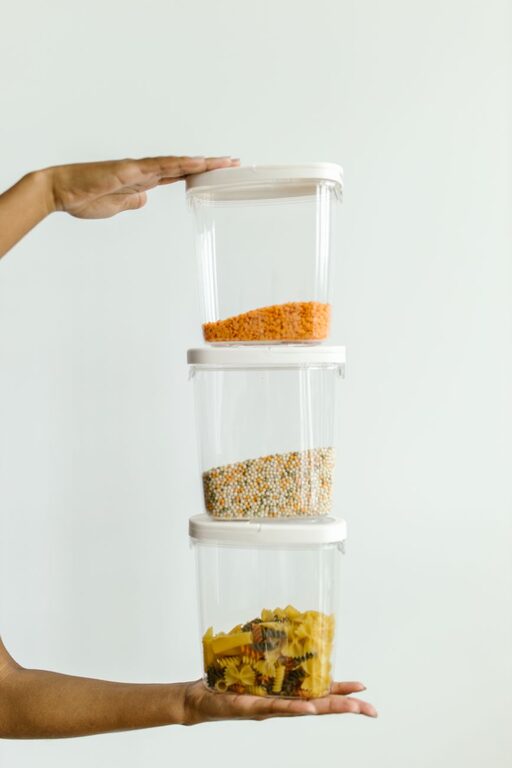
Planning meals from pantry staples is a practical way to save time, reduce food waste, and create tasty dishes without extra trips to the store. Your pantry likely holds versatile ingredients that can form the base of many satisfying meals. With a little organization and creativity, you can transform simple staples into balanced, flavorful dinners that suit your schedule and taste buds.
In this guide, we’ll walk through how to organize your pantry, identify key staples, and plan meals that make the most of what you have on hand. Whether you’re new to cooking or just looking to simplify your meal prep, these tips will help you feel confident and inspired in the kitchen.
Why Plan Meals from Pantry Staples?
Meal planning using pantry staples offers several advantages:
– Saves Money: Using items you already own prevents unnecessary grocery purchases.
– Reduces Waste: Planning helps you use ingredients before they expire.
– Saves Time: Preparing meals in advance cuts down on daily cooking stress.
– Encourages Creativity: Combining staples in new ways can lead to exciting meal ideas.
Step 1: Take Stock of Your Pantry Essentials
Start by reviewing what you currently have in your pantry. Organize your items into categories like:
– Grains: Rice, pasta, quinoa, oats
– Canned Goods: Beans, tomatoes, vegetables, broth
– Baking Supplies: Flour, sugar, baking powder, yeast
– Spices and Herbs: Salt, pepper, garlic powder, chili flakes, dried basil
– Oils and Vinegars: Olive oil, vegetable oil, balsamic vinegar
– Other Staples: Nut butters, nuts, dried fruit, canned tuna or chicken
Write down or create a digital list of these items. Knowing your inventory helps you envision what meals are possible.
Step 2: Choose Easy Recipes Centered on Pantry Staples
Once you know what you have, search for or brainstorm recipes that incorporate those staples. Here are some simple ideas:
Pantry Staple Meal Ideas
– Pasta with Canned Tomato Sauce: Combine pasta with sautéed garlic, canned tomatoes, and herbs.
– Rice and Bean Bowls: Cook rice and top with canned beans, sautéed vegetables, and a drizzle of olive oil.
– Oatmeal with Nuts and Dried Fruit: Start your day with a hearty bowl using oats, nuts, and dried fruit.
– Tuna Salad: Mix canned tuna with mayo or olive oil, then add chopped canned beans or vegetables.
– Vegetable Soup: Use broth, canned vegetables, grains, and spices to make a comforting soup.
You can adapt these ideas based on available ingredients and personal preferences.
Step 3: Plan Your Weekly Meals
With your list of staple ingredients and potential recipes, plan your meals for the week:
– Map Out Breakfast, Lunch, and Dinner: Decide which meals you want to prepare from pantry staples.
– Balance Your Nutrition: Incorporate proteins, carbohydrates, and vegetables when possible.
– Mix and Match: Use staples in different ways so meals don’t get repetitive.
– Consider Prep Time: Plan some quick meals for busy days and more involved ones when you have extra time.
Creating a meal calendar or list helps you shop smartly and avoid last-minute decisions.
Step 4: Supplement Your Pantry Staples with Fresh Ingredients
While pantry staples form the base, adding fresh items can elevate your meals:
– Fresh Vegetables: Carrots, spinach, onions, garlic, and peppers store well and complement staples.
– Fresh Proteins: Eggs, chicken, or tofu last several days in the fridge and add variety.
– Herbs and Citrus: Fresh herbs and lemon or lime add brightness to pantry-based dishes.
Plan your grocery trips around these fresh additions to keep your pantry staples at the core.
Step 5: Use Smart Cooking Techniques
Maximize flavor and texture when cooking with pantry ingredients by trying these tips:
– Toast Spices: Heat spices in a dry pan for a minute to release their aroma before adding liquids.
– Sauté Aromatics: Cook onions, garlic, or shallots first to build flavor layers.
– Simmer Soups and Sauces: Allow canned tomatoes or broth-based dishes to simmer for deeper taste.
– Use Acid: A splash of vinegar or lemon juice can brighten hearty dishes.
Small cooking techniques make pantry meals feel homemade and satisfying.
Step 6: Store Pantry Staples for Easy Access
Keeping your pantry organized helps you plan meals efficiently:
– Group Similar Items: Keep grains, canned goods, and baking supplies together.
– Label Containers: Use clear jars or bins and label contents and expiration dates.
– Rotate Stock: Use older items first to prevent waste.
– Keep Staples Visible: Arrange frequently used items at eye level or in front.
An orderly pantry encourages creativity and reduces the frustration of searching for ingredients.
Bonus Tips for Success
– Try Batch Cooking: Prepare large portions of pantry-based meals and freeze leftovers.
– Experiment with Seasonings: Try different spice combinations to add variety.
– Keep a Recipe Journal: Note favorite pantry meals and modifications for quick reference.
– Stay Flexible: If an ingredient runs out, substitute it with a similar staple.
Conclusion
Planning meals from pantry staples doesn’t have to be complicated. By organizing your pantry, choosing versatile recipes, and mixing in fresh ingredients, you can enjoy stress-free, delicious meals any day of the week. With some preparation and creativity, your pantry will become the heart of your kitchen.
Start today by taking inventory of your staples and imagining the meals you can create. Your future self will thank you for the delicious, budget-friendly dinners ahead!